Best Mouth Cancer treatment in Pune

Mouth (Oral Cavity) Cancer Management in Pune

What Is Mouth (Oral Cavity) Cancer?

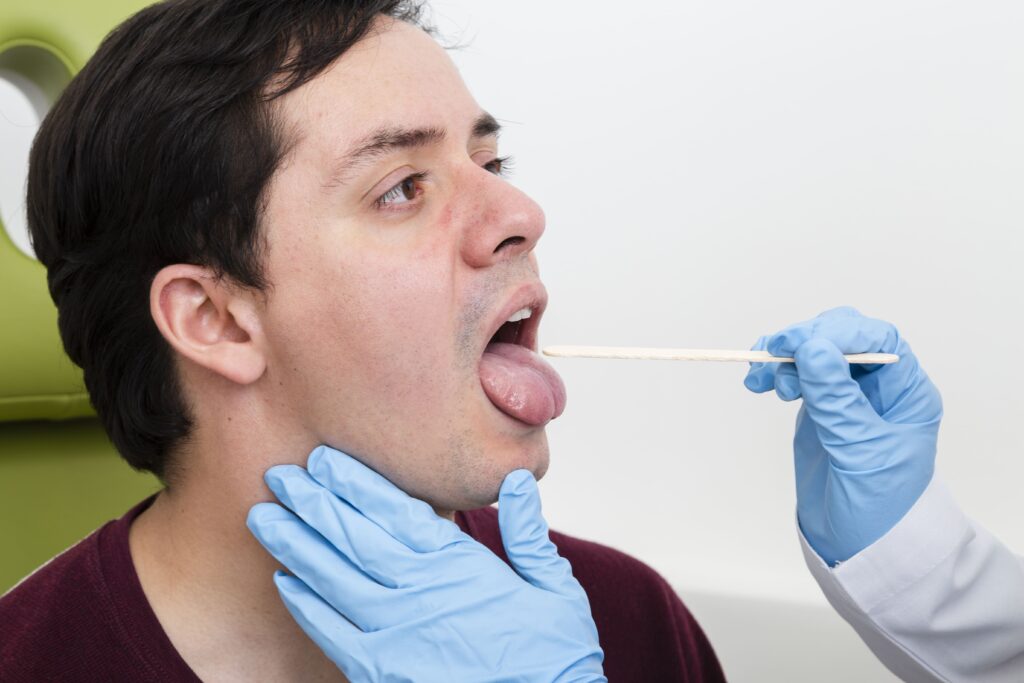
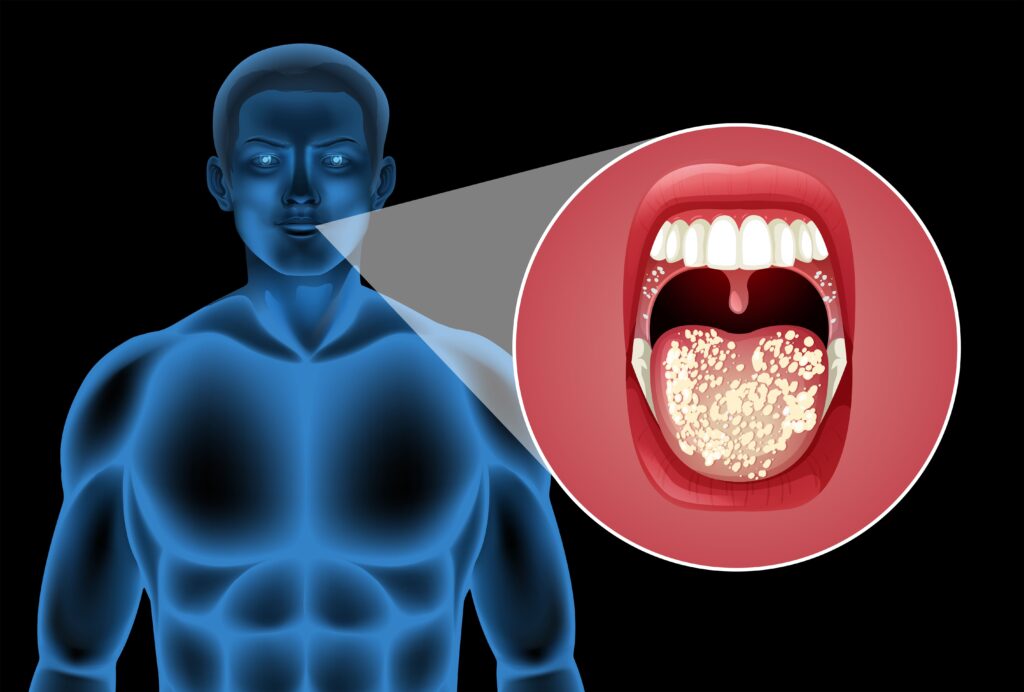
Mouth cancer, medically referred to as oral cavity carcinoma, is a malignant tumor arising from the epithelial lining of the lips, anterior tongue, buccal mucosa, gingiva, floor of the mouth, hard palate, and retromolar trigone. It often begins as leukoplakia, erythroplakia, or a non-healing ulcer that gradually enlarges and hardens. Lesions on the lips may present as persistent crusted ulcers.

Patients may experience painful or difficult swallowing (odynophagia or dysphagia), thickened mucosa, localized swelling, numbness in the lips or mouth, or new cervical lymph node enlargement—indicating possible regional metastasis. Oral cavity cancers are closely associated with oropharyngeal malignancies. Early detection, risk factor modification, and multidisciplinary management are critical to improving survival outcomes.

Who Is at Risk for Mouth (Oral Cavity) Cancer?

Epidemiological data indicate that approximately 11 out of every 100,000 individuals develop oral cavity carcinoma during their lifetime. The risk is higher in men than women and tends to be more frequently reported in White populations compared with Black populations.

Key risk groups include:

For authoritative statistics, refer to the American Cancer Society – Oral Cavity and Oropharyngeal Cancer.

Types of Mouth (Oral Cavity) Cancer

Squamous Cell Carcinoma (SCC)

Accounts for over 90% of oral cancers. Arises from thin, flat squamous cells lining the oral cavity and oropharynx.

Verrucous Carcinoma

A rare, low-grade variant of SCC. Appears as slow-growing, wart-like lesions and rarely metastasizes but still requires expert treatment.

Oral Melanoma

Develops in melanocytes (pigment-producing cells). Aggressive and uncommon, it can appear on gums, palate, or nasal cavity.

Floor of Mouth Cancer

Begins in the tissues beneath the tongue, often resembling a non-healing ulcer. Early detection is crucial to avoid delayed diagnosis.

Inner Cheek (Buccal Mucosa) Cancer

Originates in the lining of the inner cheek, usually caused by chronic irritation, tobacco, alcohol, or betel nut chewing.
Learn more about related cancers in our Oropharyngeal Cancer Management page.

What Causes Mouth (Oral Cavity) Cancer?

Mouth cancer most often develops from the squamous cells that line the oral cavity. These flat, scale-like cells can become malignant when their DNA undergoes genetic mutations. Such mutations trigger uncontrolled cell growth, allowing abnormal cells to multiply instead of dying as they should.
Over time, these cancerous cells can invade deeper tissues of the mouth and may spread to nearby structures in the head and neck. In advanced stages, they can also metastasize to distant organs through the lymphatic system or bloodstream.
Common factors that contribute to these DNA changes include tobacco use, alcohol consumption, HPV infection, chronic irritation, and certain genetic predispositions.

Activities and Habits That Increase Risk

Nearly 75% of oral cancer patients have one or more of these lifestyle risk factors:
Smoking cigarettes, cigars, or pipes
Using smokeless tobacco products (chewing tobacco, snuff, dip, hookah)
Regular and excessive alcohol consumption
Prolonged sun exposure without lip protection
Reducing or eliminating these habits significantly lowers your risk.

Common Signs and Symptoms of Mouth Cancer

People with mouth cancer may notice certain changes that should not be ignored, especially if they persist. A timely evaluation by a best head and neck surgical oncologist in Pune can help in early diagnosis and effective management.
Common symptoms include:

Prevention of Mouth Cancer

Healthy lifestyle choices and avoidance of known risk factors can significantly reduce the likelihood of developing mouth cancer:
For detailed prevention steps, visit our Head and Neck Cancer Prevention and Screening page.

FAQs

1. What are the first signs of mouth cancer?
Treatment involves surgery, radiotherapy, chemotherapy, or a combination depending on tumor type and stage.
Yes, by avoiding tobacco and excessive alcohol, maintaining oral hygiene, protecting lips from sun exposure, and eating a healthy diet.

Contact us

Notice any persistent symptoms or risk factors? Consult Dr. Vidita Powle, the best head and neck cancer specialist in pune, for early diagnosis, expert guidance, and personalized treatment planning.
Scroll to Top