
Best Parathyroid Tumor Specialist in Pune
Parathyroid Tumors & Adenoma Management in Pune
Parathyroid tumors require accurate diagnosis and a structured treatment approach. Patients searching for the Best parathyroid tumor specialist in Pune often look for expert evaluation, precise surgical care, and long-term follow-up for better outcomes.
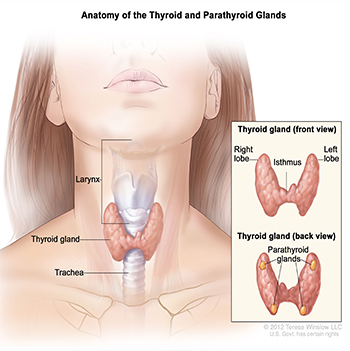
Parathyroid tumors are abnormal growths in one or more of the four parathyroid glands located behind the thyroid gland in the neck. Most parathyroid tumors are parathyroid adenomas, which are benign, but in rare cases, they may be cancerous. These glands produce parathyroid hormone (PTH), which regulates calcium, phosphorus, and vitamin D levels. When a tumor causes excess PTH production, it leads to hyperparathyroidism, resulting in high calcium levels and multiple systemic symptoms. Dr. Vidita Powle, an experienced head and neck surgical oncologist, provides advanced evaluation and treatment for parathyroid disorders.
What Are the Parathyroid Glands?
Parathyroid glands are four pea-sized glands located behind the thyroid gland. Despite being close to the thyroid, their only role is to maintain calcium balance in the body through the secretion of parathyroid hormone (PTH).
For conditions affecting these glands, timely evaluation by the Best parathyroid tumor specialist in Pune is important to ensure accurate diagnosis and appropriate treatment.
Causes of Parathyroid Tumors
Parathyroid adenomas occur when one gland becomes enlarged and overproduces PTH. Reasons include:
- Genetic factors
- Long-term lithium use
- Chronic kidney disease
- Rare hereditary syndromes
- Overstimulation of the glands due to metabolic imbalance
Most parathyroid adenomas have no identifiable cause.
In such cases, proper evaluation by an experienced parathyroid tumor doctor Pune helps in identifying the condition early and planning appropriate care under a parathyroid tumor expert in Pune.
Symptoms
- Persistent fatigue or low energy
- Muscle or joint pain
- Nausea or loss of appetite
- Frequent urination, especially at night
- Constipation
- Mood changes or confusion
- Bone pain, osteoporosis, or fractures
- Kidney stones (in advanced cases)
Most parathyroid adenomas have no identifiable cause.
If these symptoms persist, timely consultation with the Best parathyroid tumor specialist in Pune is important. Patients may also benefit from evaluation by a parathyroid tumor consultant in Pune for accurate diagnosis and further management.
Diagnosis
1. Blood Tests
- Elevated calcium levels
- Elevated parathyroid hormone (PTH) levels
- Vitamin D levels
2. Imaging
- Ultrasound of the neck
- Sestamibi scan
- 4D-CT or MRI for difficult cases
3. Bone Density Test
- To assess bone loss due to prolonged high calcium levels.
Treatment Options
- Focused parathyroidectomy (for a single adenoma)
- Bilateral neck exploration (if multiple glands are involved)
- Smaller incision
- Faster recovery
- Less pain
- Hidden incisions (axilla or behind the ear)
- High precision and magnified visualization
- Minimal scarring
- Faster recovery
- Single-gland parathyroid adenomas
- Patients with cosmetic concerns
- Large or multiple gland disease
- Parathyroid carcinoma
- Advanced anatomical complexity
- Regular monitoring
- Avoiding calcium/vitamin D supplements
- Managing vitamin D deficiency
- Medications to reduce calcium levels (if needed)