
Best Tongue Cancer treatment in Pune
Tongue Cancer: Symptoms, Diagnosis & Treatment in Pune
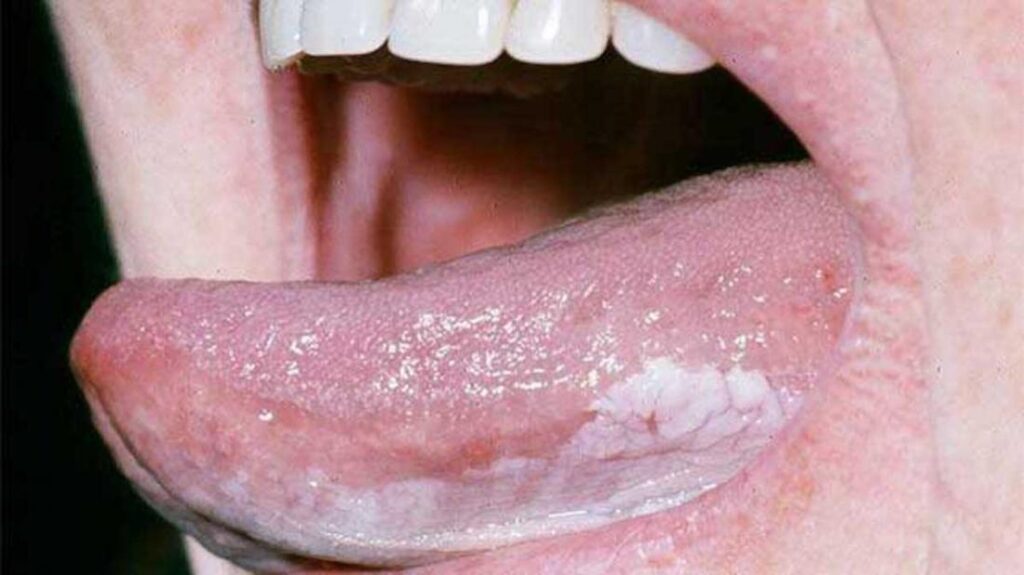
what is tongue cancer?
Tongue cancer is a type of head and neck cancer that originates in the cells of the tongue. It can form lesions or tumors and may occur in two main areas:
- Oral Tongue Cancer: Affects the front two-thirds of the tongue, visible when sticking out the tongue.
- Base of Tongue Cancer (Oropharyngeal Cancer): Occurs at the back of the tongue near the floor of the mouth.
Early detection is crucial to improve treatment outcomes and survival rates.
Anatomy of the Tongue
The tongue has two primary regions:
- Oral Tongue: Front 66%, responsible for taste and speech. Tumors here are classified as oral cancers.
- Base of Tongue: Rear portion connected to the throat, associated with oropharyngeal cancers.
Cancer can develop in either section, influencing symptoms and treatment.
Symptoms of Tongue Cancer
Early-stage tongue cancer may not produce noticeable signs, especially at the base of the tongue. Common symptoms include:
- Persistent red or white patches on the tongue
- Non-healing tongue ulcers
- Pain when swallowing (dysphagia)
- Numbness or tingling in the mouth
- Chronic inflammation
- Unexplained bleeding from the tongue
- Persistent lump or swelling on the tongue
Diagnosis of Tongue Cancer
A thorough evaluation includes:
- Medical history review: Family and personal history, lifestyle habits, HPV status
- Physical examination: Inspect the tongue and oral cavity for suspicious lesions
- Lymph node assessment: Check for swelling indicating possible spread
- Imaging: CT, MRI, or PET scans to determine tumor size and extent
- Biopsy: Confirms presence and type of cancer
Early detection greatly improves outcomes and may reduce the need for extensive surgery.
Causes and Risk Factors
The exact cause of tongue cancer is often unknown, but several factors increase risk:
- Tobacco use: Smoking or chewing tobacco
- Alcohol consumption: Heavy drinking
- HPV infection: Human papillomavirus
- Betel nut chewing: Common in certain regions
- Personal or family history of oral or tongue cancers
Treatment of Tongue Cancer
Treatment depends on tumor location, size, stage, and patient health. Options include:
- Surgery: Removal of tumors from the tongue; robotic surgery may be used for precise, minimally invasive excision in selected cases
- Radiation therapy: Common for tumors at the base of the tongue
- Chemotherapy: May be combined with radiation for advanced or recurrent tumors
- Targeted therapy & immunotherapy: For eligible patients based on tumor biology
- Rehabilitation:Speech and swallowing therapy after treatment for functional recovery
Consulting a head and neck surgical oncologist ensures personalized care and optimal outcomes.

Prevention
Reduce the risk of tongue cancer by:
- Avoiding tobacco products
- Limiting alcohol consumption
- Maintaining oral hygiene
- HPV vaccination where applicable
- Regular dental and oral check-ups
FAQs
1. Can tongue cancer be cured?
Yes, early-stage tongue cancer has a high cure rate with appropriate treatment.
2. Are all tongue lesions cancerous?
No, most lesions are benign, but persistent ulcers or patches should be evaluated.
3. Does treatment affect speech or swallowing?
Treatment may temporarily affect these functions, but rehabilitation can restore them.
4. Is robotic surgery safe for tongue cancer?
Yes, for selected patients, robotic surgery offers precise tumor removal with minimal invasiveness.
Contact Us
If you notice persistent tongue ulcers, lumps, bleeding, or difficulty swallowing, seek early evaluation.
Book a consultation with Dr. Vidita Powle, best consultant surgical oncologist in Pune, for expert tongue cancer care.