Best Thyroid Cancer clinic in Pune
Thyroid Cancer Diagnosis & Treatment in Pune
What you need to know about Thyroid cancer?
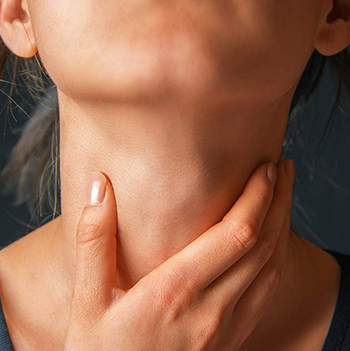
Thyroid cancer begins in the thyroid gland, a small butterfly-shaped organ located at the base of the neck. This gland produces hormones that regulate metabolism, heart rate, temperature, and weight. In the early stages, thyroid cancer may not show noticeable symptoms. As it progresses, patients may develop neck swelling, a persistent lump, voice changes, or difficulty swallowing. Dr. Vidita Powle is a highly experienced head and neck cancer specialist, offering advanced evaluation and comprehensive management for all types of thyroid cancers.
Types of Thyroid Cancer
1. Papillary Thyroid Carcinoma
- Most common type
- Arises from follicular cells
- Common in people aged 30–50
- Generally slow-growing and highly treatable
2. Follicular Thyroid Carcinoma
- Also develops from follicular cells
- More common in adults above 50
- Includes the Hürthle cell variant, which may behave more aggressively
3. Anaplastic Thyroid Carcinoma
- Rare and highly aggressive
- Grows rapidly
- Typically occurs in patients above 60
- Requires urgent, multidisciplinary management
4. Medullary Thyroid Carcinoma
- Originates from C cells that produce calcitonin
- Elevated calcitonin may indicate early disease
- Can be hereditary or sporadic
- Requires specialized evaluation and long-term follow-up
Symptoms
Early thyroid cancer often has no symptoms. As it grows, patients may notice:
- A painless lump or swelling in the neck
- Hoarseness or voice changes
- Difficulty swallowing
- Neck or throat discomfort
- Enlarged lymph nodes
Risk Factors
- Family history of thyroid cancer
- Radiation exposure to the head or neck
- Certain genetic conditions (e.g., MEN syndromes)
- Iodine deficiency or excess
- Age (more common in adults 30–60)
- Gender (higher in females)
Diagnosis
A complete evaluation includes:
1. Physical Examination
Assessment of neck swelling and lymph nodes.
Assessment of neck swelling and lymph nodes.
2. Thyroid Ultrasound
Identifies suspicious nodules and their characteristics.
Identifies suspicious nodules and their characteristics.
3. FNAC (Fine Needle Aspiration Cytology)
A minimally invasive test to evaluate thyroid nodules.
A minimally invasive test to evaluate thyroid nodules.
4. Blood Tests
TSH, T3, T4, calcitonin (for medullary cancer), and tumor markers.
TSH, T3, T4, calcitonin (for medullary cancer), and tumor markers.
5. Imaging
CT, MRI, or PET-CT may be required for staging in certain cases.
CT, MRI, or PET-CT may be required for staging in certain cases.
6. Genetic Testing
Important for medullary thyroid cancer linked to hereditary syndromes.
Important for medullary thyroid cancer linked to hereditary syndromes.
Treatment Options
Dr. Vidita Powle, an experienced head and neck surgical oncologist, offers individualized treatment depending on the cancer type, stage, and patient condition.
1. Surgery (Primary Treatment)
A complete evaluation includes:
- Total Thyroidectomy
- Hemithyroidectomy (Lobectomy)
- Neck Dissection (if lymph nodes are involved)
2. Radioactive Iodine (RAI) Therapy
Used after surgery to destroy remaining thyroid tissue or microscopic cancer cells.
Most effective in papillary and follicular cancers.
3. Hormone Therapy
Thyroid hormone replacement to:
- Maintain metabolism
- Suppress TSH and reduce recurrence risk
4. Targeted Therapy & Immunotherapy
Used for advanced or recurrent thyroid cancers that do not respond to standard treatment.
Robotic Surgery for Thyroid Cancer
Robotic thyroid surgery is applicable in selected early-stage thyroid cancers, especially for patients seeking a scar-less or minimally visible neck incision.
- No neck scar (incisions placed in the axilla or behind the ear)
- Better cosmetic outcomes
- Enhanced precision
- Reduced post-operative discomfort
- Early papillary or follicular thyroid cancers
- Patients with small, localized tumors
- Individuals concerned about visible neck scars
- Large tumors
- Aggressive cancers (e.g., anaplastic)
- Cases with extensive lymph node involvement
While thyroid cancer cannot always be prevented, the risk can be reduced by:
- Avoiding unnecessary radiation exposure
- Maintaining a healthy iodine intake
- Regular monitoring if you have a family history
- Early assessment of thyroid nodules
- Genetic testing when indicated
FAQs
1. Is every thyroid nodule cancerous?
No. Most thyroid nodules are benign, but evaluation is essential.
2. Can thyroid cancer be cured?
Yes. Most thyroid cancers, especially papillary and follicular, have excellent outcomes when treated early.
3. Does thyroid surgery affect life expectancy?
No. With proper treatment and hormone management, patients live normal lives.
4. Will I need to take lifelong medication after surgery?
Yes. If the entire thyroid is removed, lifelong thyroid hormone replacement is required.
5. Is robotic surgery safe?
Yes. For carefully selected patients, robotic thyroid surgery is safe and provides cosmetic benefits.
If you notice a persistent neck lump, voice changes, or difficulty swallowing, seek early evaluation.
Book a consultation with Dr. Vidita Powle, Consultant Surgical Oncologist for accurate diagnosis and advanced thyroid cancer treatment in Pune.